
Distance: 66.26km | Climbing: 365m – GPS Route: (Pt.1 | Pt.2)
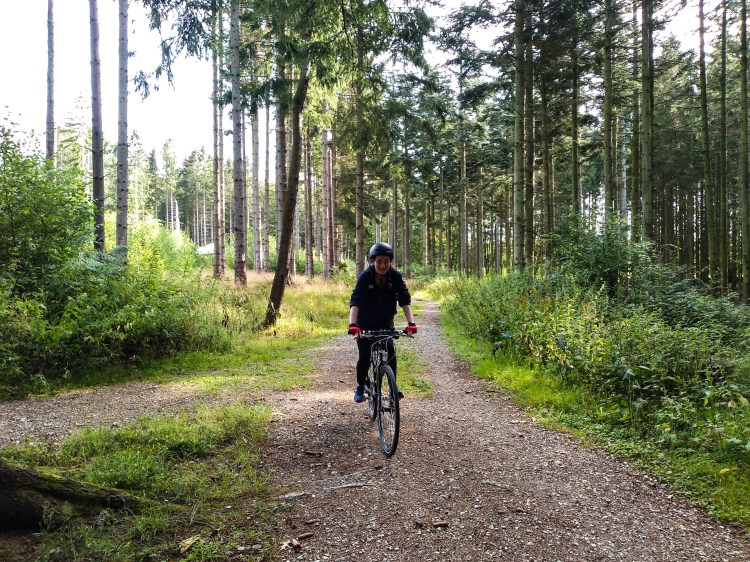
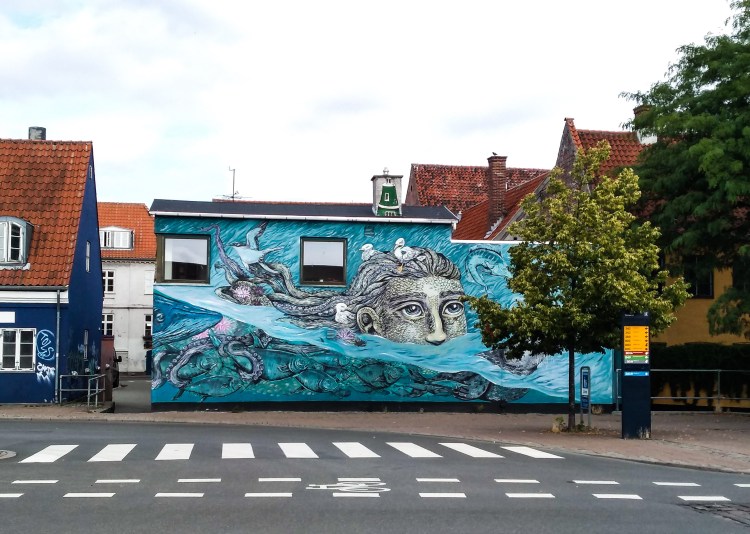
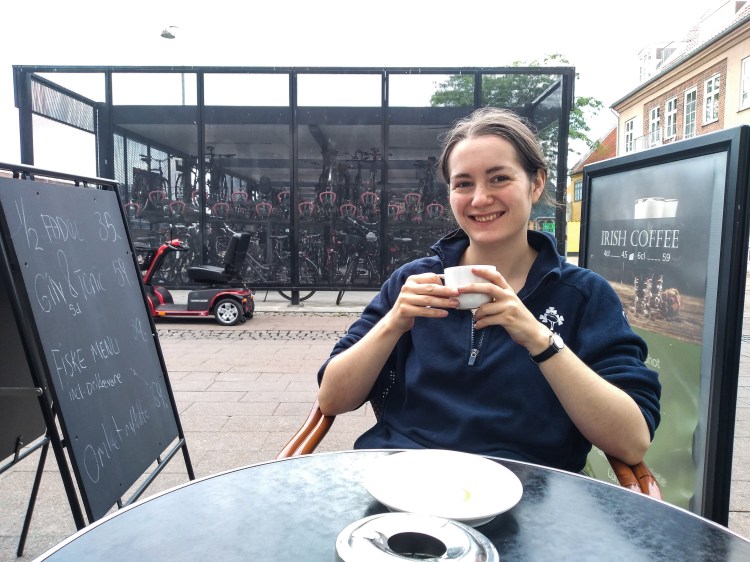
We woke early in the morning to the same soothing sounds of nature. After a quick breakfast, we loaded our gear and began the easy five-kilometre downhill cycle to Helsingor. Here we had a relaxed coffee while waiting for our ferry to Sweden.
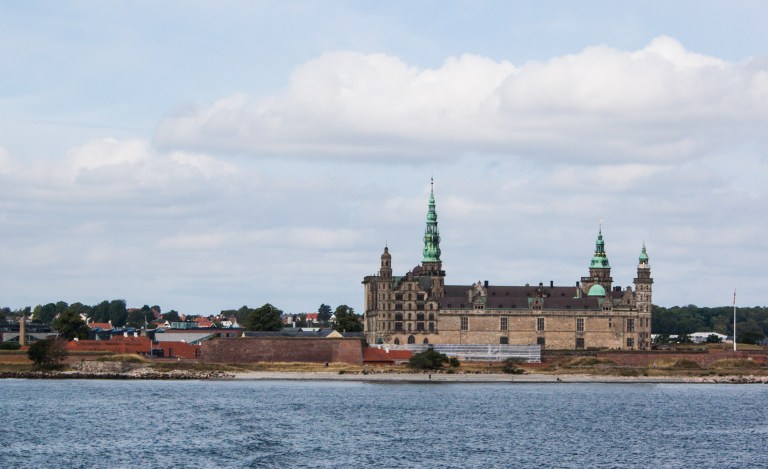
Boarding the ferry with our bikes was quite simple, and we enjoyed the short ferry ride across the Kattegat Strait to Sweden, looking back at the impressive Kronburg Castle.
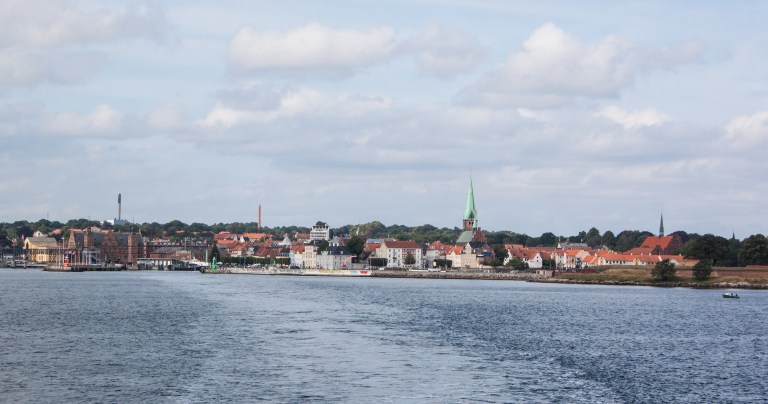
The ferry dropped us off in the middle of Helsingborg, another typically pleasant Scandinavian town. We found an exchange bureau before leaving town and stocked up on some Swedish Krona.
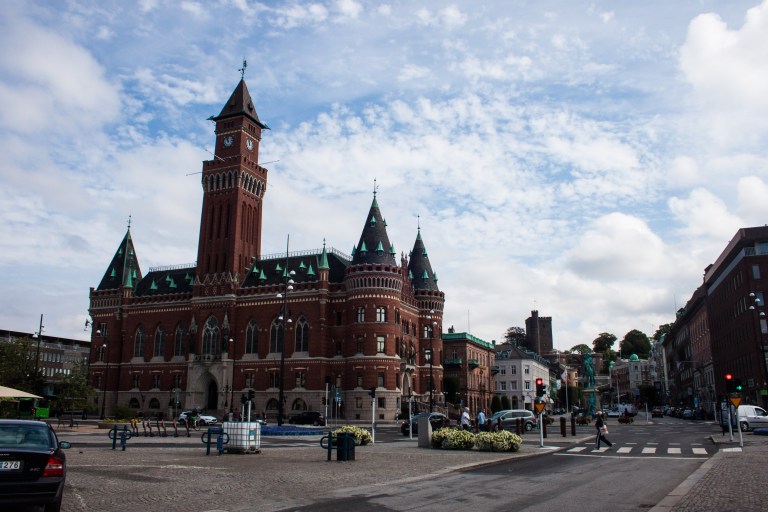
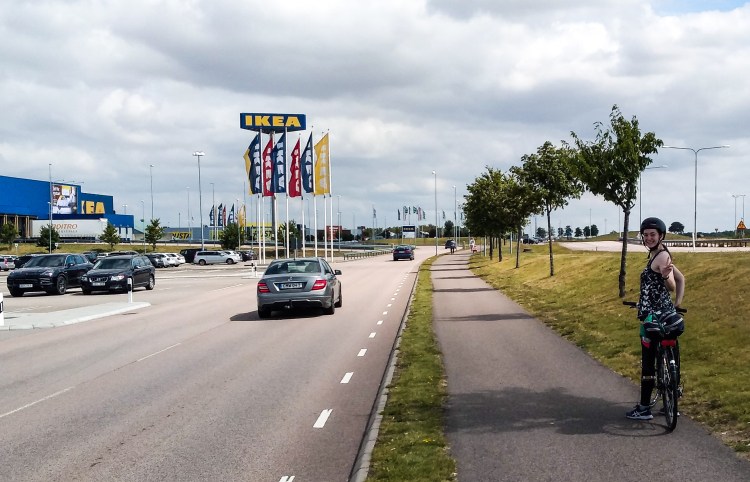

Helsingborg was the starting point of the Kattegattleden, a 390-km-long cycle path along the coast from Helsingborg to Gothenburg. For the most part, we would be following this route over the next few days, all the way to Gothenburg.
However, with only two weeks available to us to make it up the west coast of Sweden, and then back down the east coast of Denmark, we had made the decision to shortcut certain sections of the Kattegattleden. These sections were mostly long loops out around peninsulas, where a much shorter inland route existed. We would be following the coast for much of the next few days, so we were happy to sacrifice a small bit of coastal cycling with the aim of covering more ground.
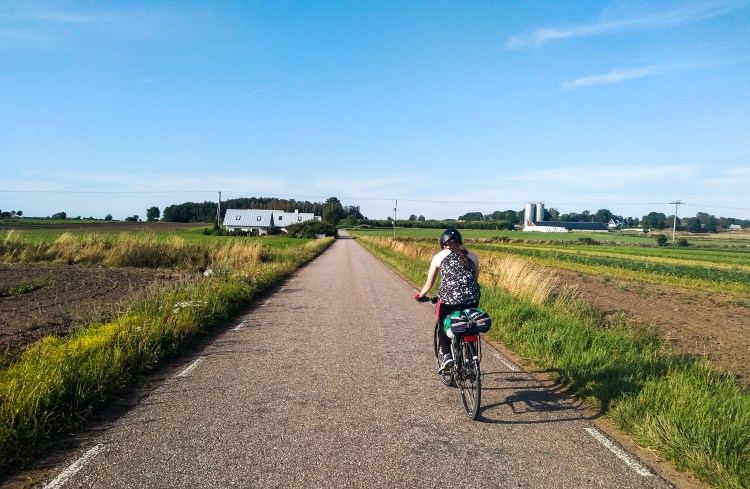
Immediately out of Helsingborg, we faced our first long peninsula loop. The official Kattegattleden followed a circuitous 60-kilometre route around this pensinsula before turning back inland to the town of Ängelholm. Meanwhile, the direct route via backroads was only 27 kilometres, so we opted for this instead, enjoying a very pleasant ride on a quiet backroad. A wide cycle path even appeared after the village of Torlarp, making for a very pleasant cycle underneath the midday sun.
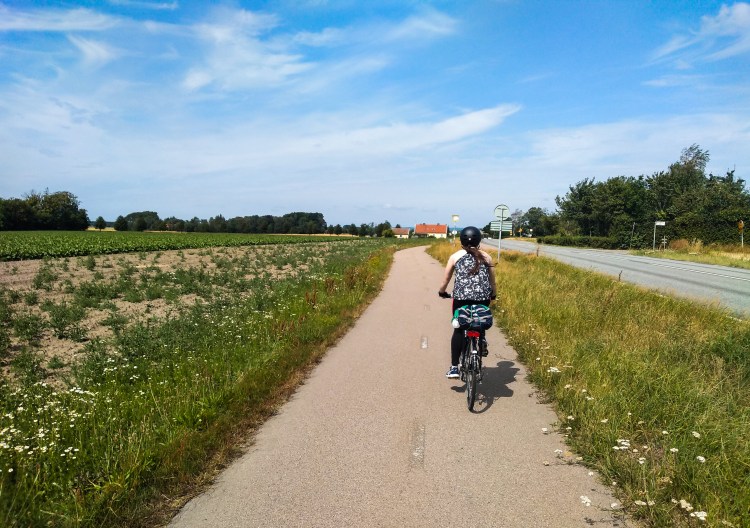
From Ängelholm we rejoined the Kattegattleden and enjoyed a beautiful pedal along the coast on quiet cycle paths and minor roads. The route was very well signposted and led us on a low-traffic route right along the coast. From our first impressions, we knew that following this route up the west coast of Sweden was going to make for a couple of very pleasant days of cycling.
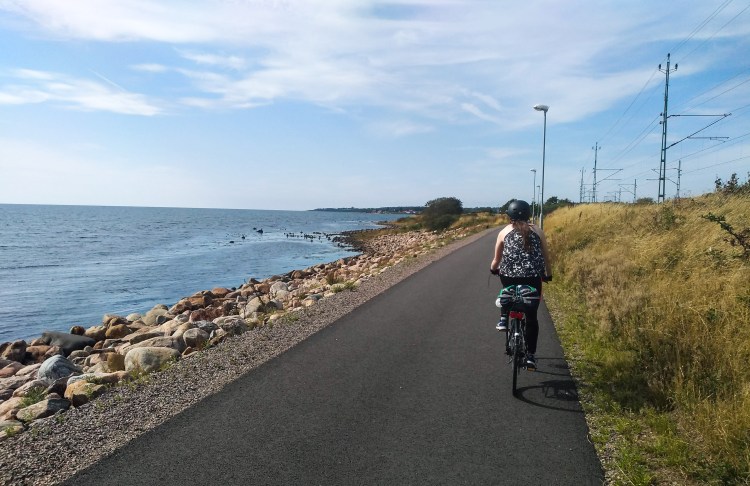
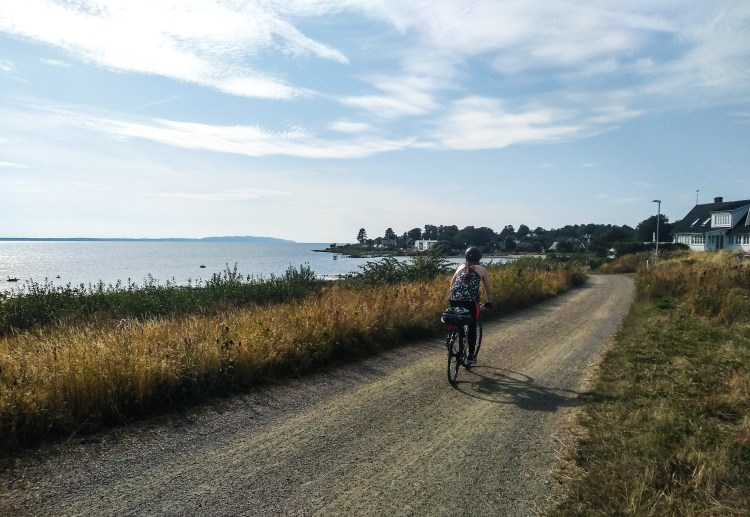
At the 55-kilometre mark for the day we reached the village of Killebäckstorp. It was getting a little late, and we needed to stock up on food and water, as well as decide where we were going to spend the night.
We weren’t doing the trip on a strict budget, but we still wanted to wild camp a few times on the trip and spend some nights in shelters in order to keep the costs down in such an expensive part of the world. But more importantly, it would also allow us to spend more time in nature.
When on solo cycle tours in expensive parts of the world, I usually tried to wild camp for two nights in a row, then spend the third night in a campsite, hostel or cheap hotel, so I could grab a shower, wash my clothes and charge my electronics. It also allowed me to recharge my own batteries by enjoying some great local food, a cheeky beer and a good night’s sleep. We decided to follow this approach here, hoping to wild camp for the night before then aiming for a cheap hotel in the town of Halmstad the next day.
With this decision made, we decided to turn off the Kattegattleden again, climbing inland in the direction of a forested cycle path along the route of an old railway line which looked like it had good wild camping potential. This also allowed us to pass a large supermarket where we could stock up on food for dinner and breakfast.

Once we had stocked up on food in the town of Grevie, we joined the rail-trail on the edge of town and enjoyed a beautiful pedal through the forest in the gentle evening light.
Unfortunately for us, the area didn’t have the wild camping potential we expected, with fences lining the majority of the trail, and the land behind the fences either being too steep or filled with cows. Thankfully, just before we reached the town of Båstad (which signalled the end of the rail-trail), we found a perfect, hidden location. It involved carrying our bikes and gear over a fence and then down a steep, leaf-covered slope. This took several trips, but in the end it was worth it, as we had a beautiful hidden hollow beside a calm stream entirely to ourselves.
We cooked up instant noodles for dinner and enjoyed them in the tent, before settling in for a peaceful night of sleep. We drifted off easily to the soothing sound of the stream flowing gently beside us.
 Irregular Adventures